5 Ways a Loyalty Program Can Drive Repeat Customers to Your Small Business

It costs five times more to acquire a new customer than to keep an existing one. That's not a new statistic — but it's one most small businesses don't act on nearly enough.
Loyalty programs are one of the most effective tools for keeping customers coming back. And with modern solutions, they're no longer just for big chains with hefty tech budgets. Here's how to make them work for your business.
1. Give Customers a Reason to Return — Before They Leave
The best time to earn a customer`s next visit is right after their first one. A loyalty program plants that seed immediately: `You`ve earned 1 stamp. Get a free coffee after 9.`
This simple mechanic shifts the customer`s mindset. Theyre no longer just someone who bought a coffee — theyre someone whos working towards something. That feeling of progress is surprisingly powerful, and it`s a well-documented psychological driver of repeat behaviour.
Tip: Make the first reward feel achievable. A 10-stamp card feels like a longer commitment than a 5-stamp card, even if the reward is proportionally better. Start small
to build the habit.
2. Use Cashback, Not Points
Points programs have a reputation problem. Customers have learned — often through frustrating experience — that points expire, devalue, and come with complex redemption rules. The perceived value is low, even when the actual value is reasonable.
Cashback is different. It's real money. Customers understand exactly what they're getting, and they get it instantly. The emotional response to '$1.50 back on your purchase' is significantly stronger than '150 points earned.'
For small businesses, cashback-style rewards also have a practical advantage: they're easier to communicate, easier to honour, and easier for customers to talk about to their friends.
3. Make It Effortless — For You and Your Customers
Paper punch cards are charming, but they have real limitations: they get lost, they can be forged, and they create a manual process for your staff. Digital loyalty programs solve all of this — but they need to be genuinely simple, or customers won't bother signing up.
The ideal loyalty experience from a customer's perspective: pay, get credited automatically, receive a notification when a reward is ready. No app downloads required at the point of sale. No staff needing to remember to ask. No friction.
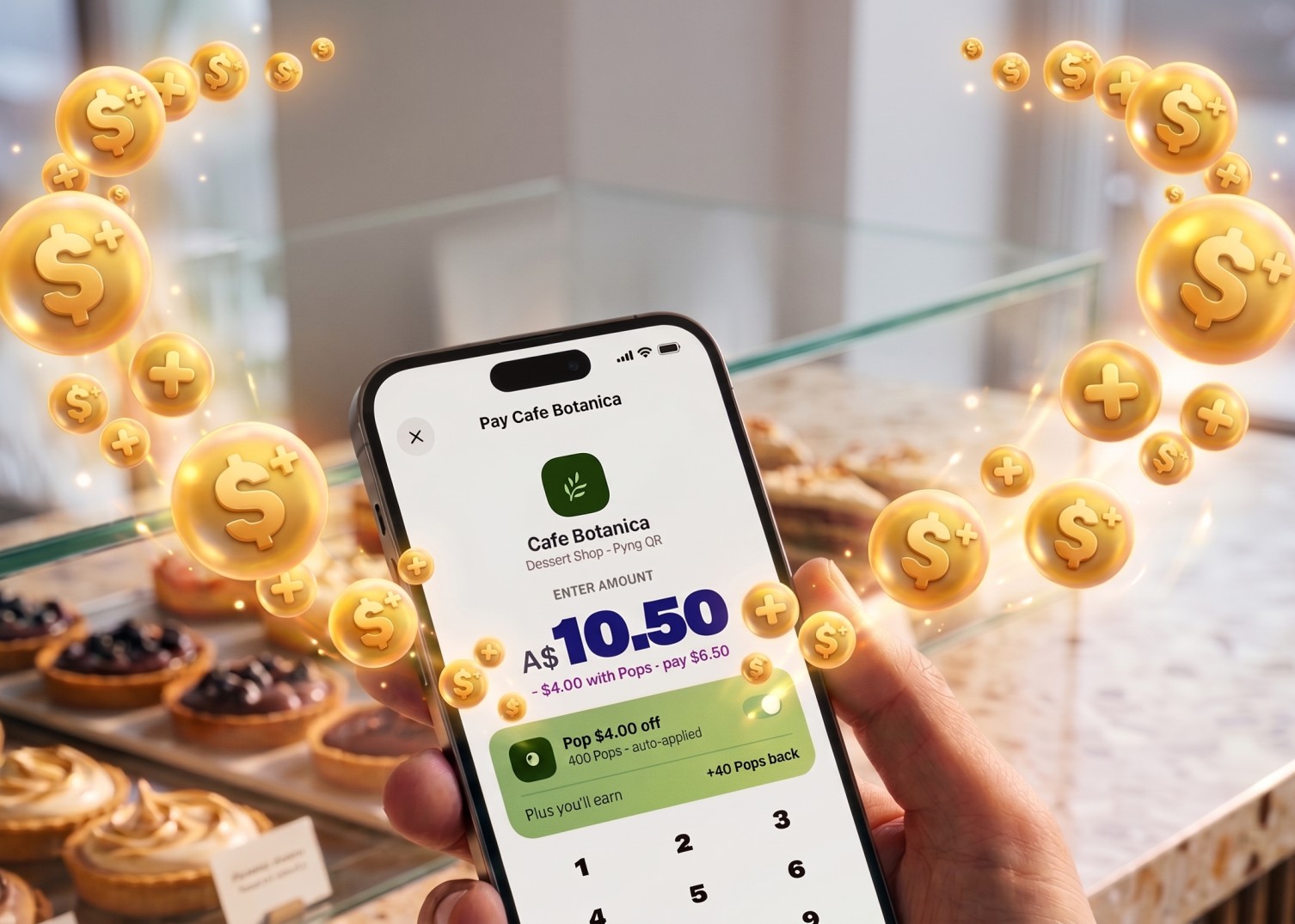
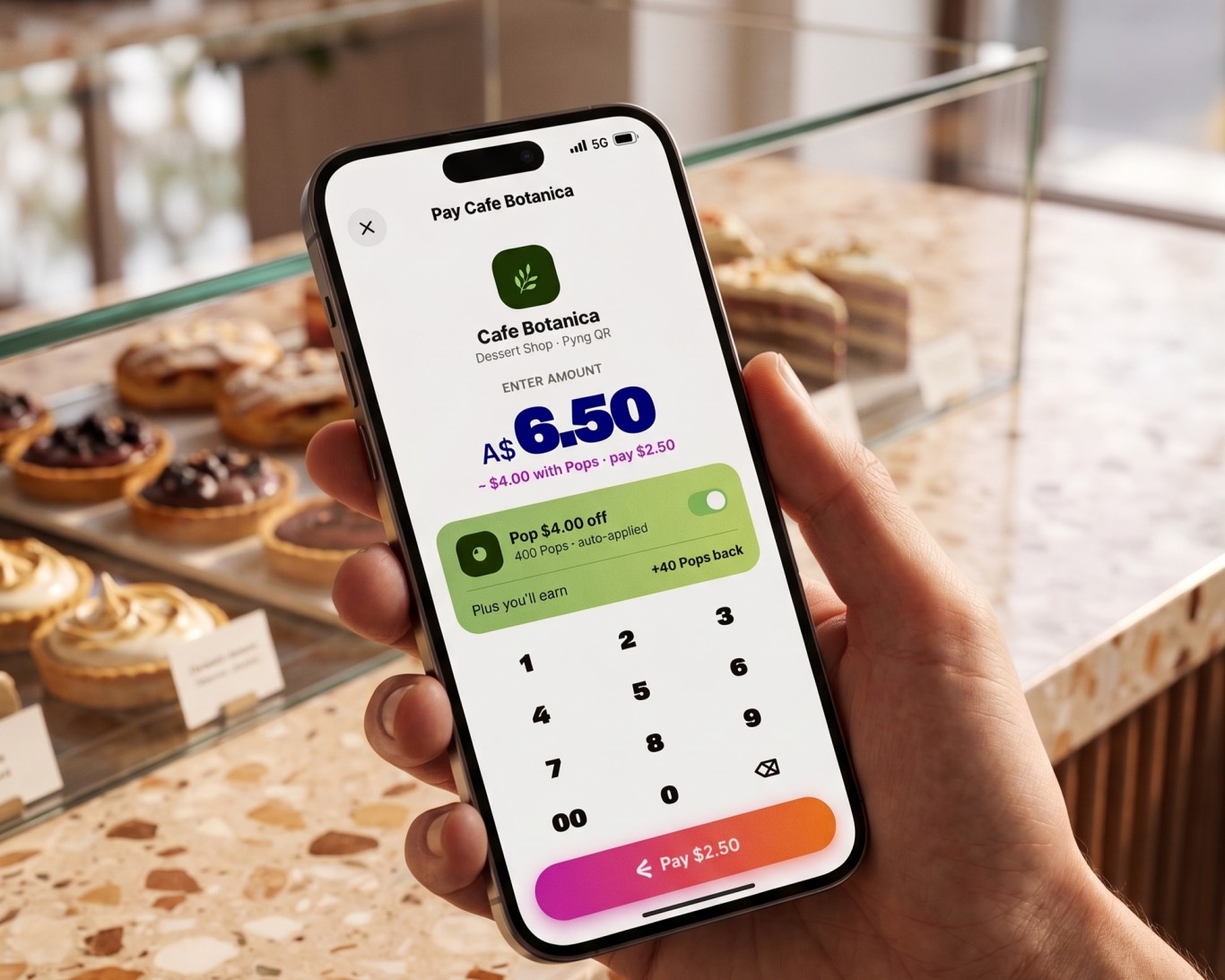
When Pyng processes a payment, loyalty rewards are applied automatically — no extra step required from your customer or your team.
4. Tailor Offers to What Actually Works for Your Business
One of the underrated advantages of a modern loyalty program is the ability to customise it around your margins and your customers` behaviour. A café might run a punch-card for coffee, a cashback offer on food items, and a birthday reward for top customers — all at the same time.
Think about:
- Which products have enough margin to support a reward?
- What time of day or week do you need to drive more traffic?
- Which customer segments do you most want to retain?
A happy hour cashback offer (e.g., 10% back on purchases between 2–4pm on weekdays) can smooth out quiet periods without touching your peak-time pricing. That kind of precision simply isn`t possible with a generic punch card.
5. Let Your Loyal Customers Become Your Marketers
The most valuable marketing for a small business is word-of-mouth — and loyalty
programs, when done well, generate it. A customer who just received $5 cashback on
their lunch is likely to mention it to a colleague. A customer who got a surprise birthday
reward is almost certainly going to post about it.
Consider adding a referral element to your loyalty program: reward existing customers
for bringing in new ones. Even a modest incentive (`Give $5, get $5`) can accelerate
your customer acquisition in a way that no paid ad campaign can match, because the
trust transfer is built in.
The Bottom Line
Loyalty programs aren`t just nice to have — for small businesses operating in competitive local markets, they`re one of the most cost-effective growth tools available. The key is to make them simple, make the rewards feel real, and tie them seamlessly to the payment experience.
With Pyng, loyalty is built directly into the payment flow — no separate app, no staff training, no extra cost. You set up the offer once, and it runs automatically every time a customer pays.
Want to launch a cashback or punch-card program for your business? It takes minutes to set up with Pyng. Apply now and go live within 24 hours