Fast isn't the same as smart: What Your tap-to-pay wallet isn't showing You


Let's give credit where it's due. Apple Pay changed how Australians pay. It's fast, it's secure, and it lives on the one device you never leave home without. Double-click, glance, done. For millions of us, it has quietly become the default wallet — not because anyone campaigned for it, but because it removed friction we didn't even realise we were tolerating.
But here's the thing about a wallet that's only built for speed: it's brilliant at helping you spend, and almost useless at helping you spend well.
The offer you never saw
Think about what's actually attached to the cards sitting inside your digital wallet. Bank offers. Card-linked cashback. Merchant promotions. Loyalty points multipliers. Australian banks and card schemes run thousands of these at any given time — and most of them expire unused.
Why? Because tap-to-pay wallets are payment pipes, not value layers. When you hold your phone to the terminal, there's no moment where the wallet says: "By the way, this café has 10% back this week" or "Your card earns double points here today." The transaction is complete before you could have known there was anything to know.
That's not a bug in Apple Pay — it's a design choice. The entire experience is optimised to get out of your way. The trade-off is that the value attached to your own money gets out of your way too. You paid full price at a merchant who was actively trying to give you a reward, and neither of you knew it happened.
Multiply that across your daily coffee, your weekday lunch, your grocery top-up — and "convenient" starts to look expensive.
What if fast and rewarding weren't a trade-off?
This is the problem we built Pyng to solve.
Pyng uses QR technology running on Australia's real-time payment rails — and we know exactly what you're thinking, because we've heard it a thousand times: QR payments are slow. Open an app, point a camera, wait for a screen to load, confirm, wait again. That reputation was earned by first-generation QR systems overseas.
So we engineered it out. Pyng Express Payments complete a transaction in about one second. Scan, done. No card networks in the middle, no processing lag, no awkward pause at the counter while the terminal thinks about it. It's the speed you expect from tap-to-pay, delivered over rails that settle instantly, bank to bank.
But speed was only half the brief. The other half was making sure you never walk past value again.
Micro rewards, on the spend you're already doing
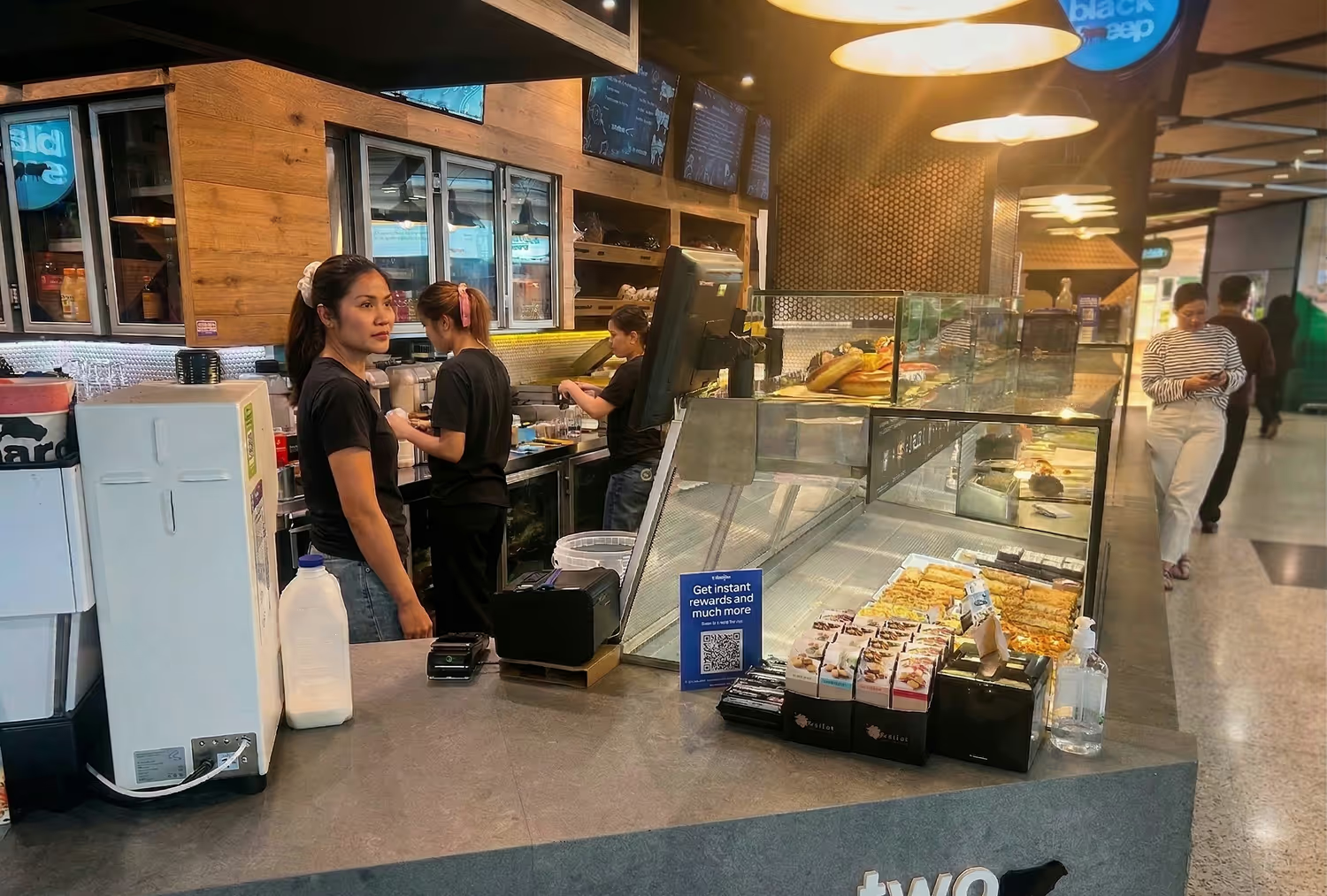
Pyng attaches micro rewards to everyday transactions — the $5 coffee, the $14 lunch, the $30 grocery run. Not a points scheme you need a spreadsheet to decode. Not a voucher buried three menus deep. Small, visible, immediate rewards at the merchants you already visit, shown to you before and at the moment of payment — the exact moment tap-to-pay wallets go silent.
Because the reward lives inside the payment experience rather than bolted onto a card in the background, three things change:
- You see it. Offers surface when you're actually standing at the counter, not in a monthly email you deleted.
- You keep it. Rewards accumulate on the daily spend that makes up most of your outgoings — where optimisation actually matters. A few percent back on everything you buy every day beats a headline offer on something you buy twice a year.
- Your local merchants can compete. Big retailers can afford to fund bank offers. Your neighbourhood café can't. Pyng gives small merchants a direct way to reward regulars — no card scheme, no middleman, no fees eating the margin they wanted to hand back to you.
The bigger shift
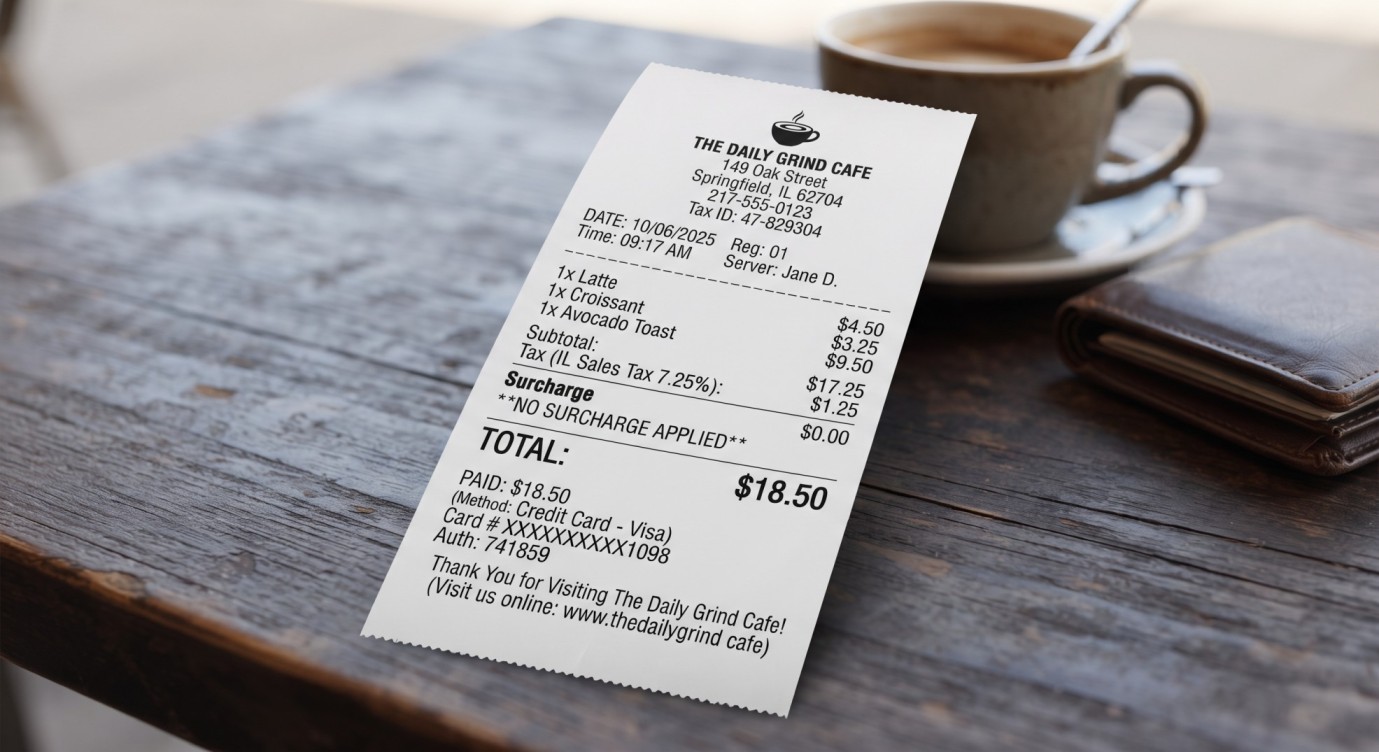
There's a broader change coming to Australian payments too. From October 2026, the RBA's card surcharge reforms reshape how the cost of card acceptance flows through to consumers and merchants. However that settles, one truth doesn't change: payment methods that carry hidden costs and hidden value are giving way to ones that are transparent on both sides. You should know what a payment costs, and you should know what it's worth.
Speed made digital wallets the default. Visibility of value is what comes next.
Fast. And smart.
We're not asking you to give up convenience — we've matched it. One-second express payments, straight from your bank account, at a growing network of Australian merchants. What we're adding is everything the tap left out: the offers, the rewards, the reasons your everyday spend should be working harder for you.
Your wallet shouldn't just move your money. It should look after it.