Pyng vs Square vs Tyro: Which Payment Solution Is Right for Your Small Business?


Choosing a payment solution for your business used to be simple: get an EFTPOS terminal, pay the fees, move on. Today there are more options than ever — but more options means more confusion. Square, Tyro, and Pyng all promise to make payments easier. So what`s actually different?
Here`s an honest comparison to help you decide.
The Core Difference: How Each Solution Makes Money
Before comparing features, it`s worth understanding the business model behind each provider — because that tells you a lot about where the costs are going to show up.
- Square charges a flat percentage per transaction (typically 1.6%–1.9% in Australia depending on card type). It`s straightforward, but the fee never goes away.
- Tyro charges a percentage per transaction that varies based on card type and your negotiated rate. Businesses processing higher volumes can negotiate lower rates, but fees are always present.
- Pyng charges zero per transaction — permanently. Pyng is built on the New Payments Platform (NPP), bypassing card networks entirely, which is how zero fees are possible without a catch.
If you`re processing $25,000 per month in payments, the difference looks like this:
- Square: ~$400–$475/month in fees
- Tyro: ~$300–$450/month depending on your rate
- Pyng: $0/month in transaction fees
Hardware: Terminal vs QR Code
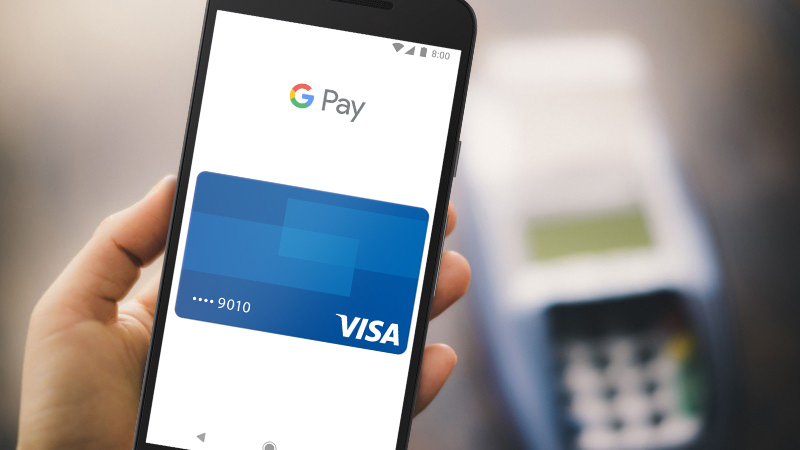
Square and Tyro both provide physical card terminals — Square`s are compact and portable, Tyro`s are designed for more established retail and hospitality environments. Both are well-built and familiar to Australian consumers.
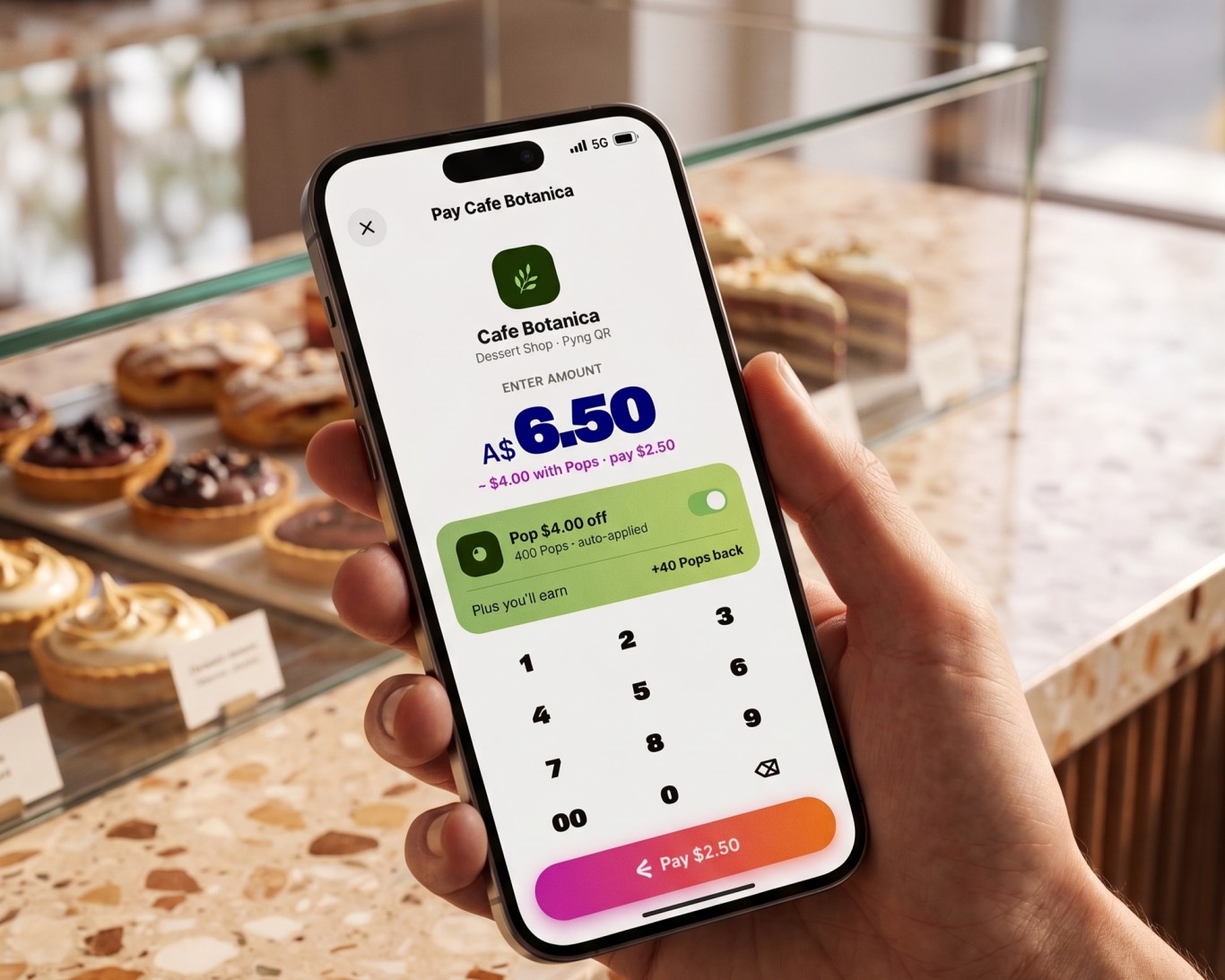
Pyng works primarily through QR codes, which customers scan with the Pyng app to pay directly from their bank account. Pyng also offers a physical terminal option. The QR approach has some genuine advantages:
- No hardware costs or rental fees for basic setups
- Nothing to break, charge, or replace
- Works anywhere you can display a QR code — at the counter, on a table, on an invoice
The trade-off: customers need the Pyng app on their phone. This is less of a barrier than it was a few years ago — particularly among younger Australians — but it`s worth noting for businesses with an older customer base.
Settlement Speed
This is where Pyng has a clear, practical advantage for cash flow:
- Square: funds typically settle next business day (same-day available with Square`s instant transfer for a fee)
- Tyro: funds settle next business day as standard
- Pyng: funds settle instantly — the money is in your account in seconds
For businesses managing tight cash flow — cafes ordering stock daily, tradespeople buying materials before a job — getting paid in real time rather than the next morning is a genuine operational benefit, not just a nice-to-have.
Loyalty and Customer Engagement
Square offers basic loyalty features as an add-on (Square Loyalty), available from around $45/month. It integrates with their POS system and offers digital punch cards and rewards points.
Tyro focuses primarily on payments and integrates with third-party POS systems — loyalty is generally handled by those external platforms rather than Tyro itself.
Pyng includes cashback and punch card loyalty features built directly into the payment flow — no additional subscription, no separate platform. Merchants can set up and adjust offers in minutes from their dashboard.
Chargebacks and Disputes
Card-based payments come with chargeback risk. If a customer disputes a transaction, the funds can be reversed — sometimes weeks later — and you may also face a dispute fee from your provider. Resolving chargebacks takes time and documentation.
Because Pyng payments are bank-to-bank and customer-authorised in real time, there are no chargebacks. Once a Pyng payment is made, it`s final. For businesses that have experienced chargebacks — particularly in hospitality, beauty, or service businesses — this is a significant relief.
Which One Is Right for You?
There`s no universal answer, but here`s a simple framework:
- Choose Square if you want a polished all-in-one POS system with extensive integrations and you`re comfortable with ongoing transaction fees.
- Choose Tyro if you`re a higher-volume retailer or hospitality business that needs deep POS integration and can negotiate competitive rates.
- Choose Pyng if eliminating transaction fees is a priority, you value instant settlement and built-in loyalty, and your customers are open to app-based payments.
Many forward-thinking businesses are now running both a traditional terminal (for card-preferring customers) and Pyng (for those happy to use the app) — capturing the best of both worlds while driving more of their regulars towards the zero-fee option.
Ready to see what zero-fee payments could mean for your business? Apply with Pyng in under 5 minutes — no lock-in, no paperwork.