Reality check: every tap pays someone, and it's not you
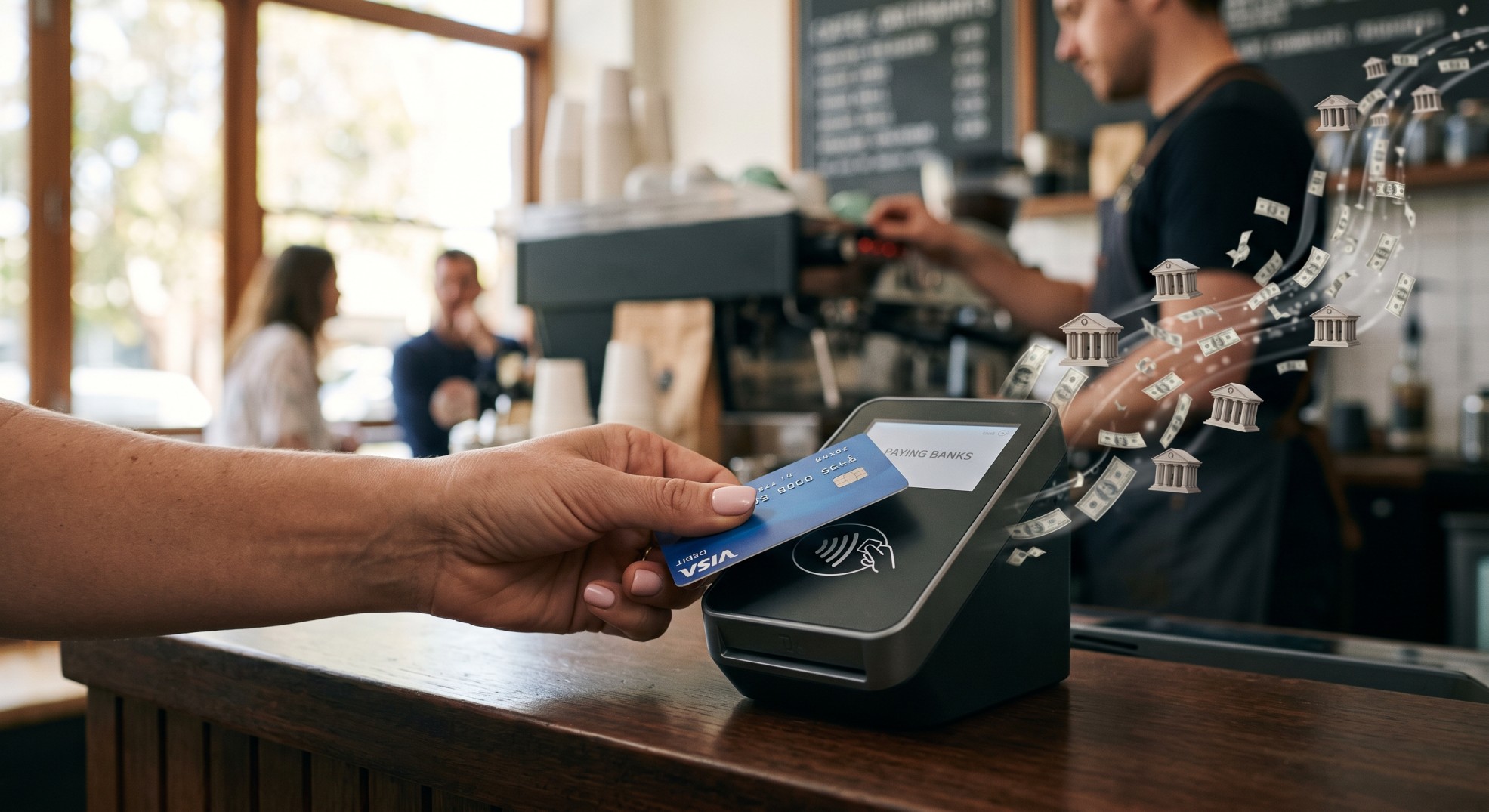

You tap your card. The terminal beeps. You walk out with your coffee. That transaction feels instant and free, but it isn't, for everyone involved. Every tap-and-pay purchase quietly generates money for someone in the chain behind it. The only question is whether that someone is a bank, or you.
What actually happens when you tap your card
Contactless payments feel simple, but a lot happens in the second or two between "tap" and "approved." Your card talks to the payment terminal, which talks to your bank, which talks to the card network (Visa, Mastercard, or similar), which talks to the merchant's bank and back again. That whole round trip is called payment processing, and it isn't free.
Every time it happens, the merchant pays a small fee - usually called an interchange fee, to the banks and networks that made the transaction possible. It's baked into the price of almost everything you buy. You don't see it on your receipt, but it's there, on every single tap.
Who actually profits from your everyday spending
Here's the part most people never think about: banks and card networks earn a small amount from your card every time you use it. Multiply that by the average number of tap-and-pay transactions a person makes each week - groceries, fuel, coffee, transport and it adds up to a business model built entirely on your spending habits.
That's not a criticism of banks; it's just how the traditional card system was built. Money moves, fees get collected, and the person actually spending - you, sees none of it. You did the tapping. The bank did the earning.
Pyng flips who gets paid
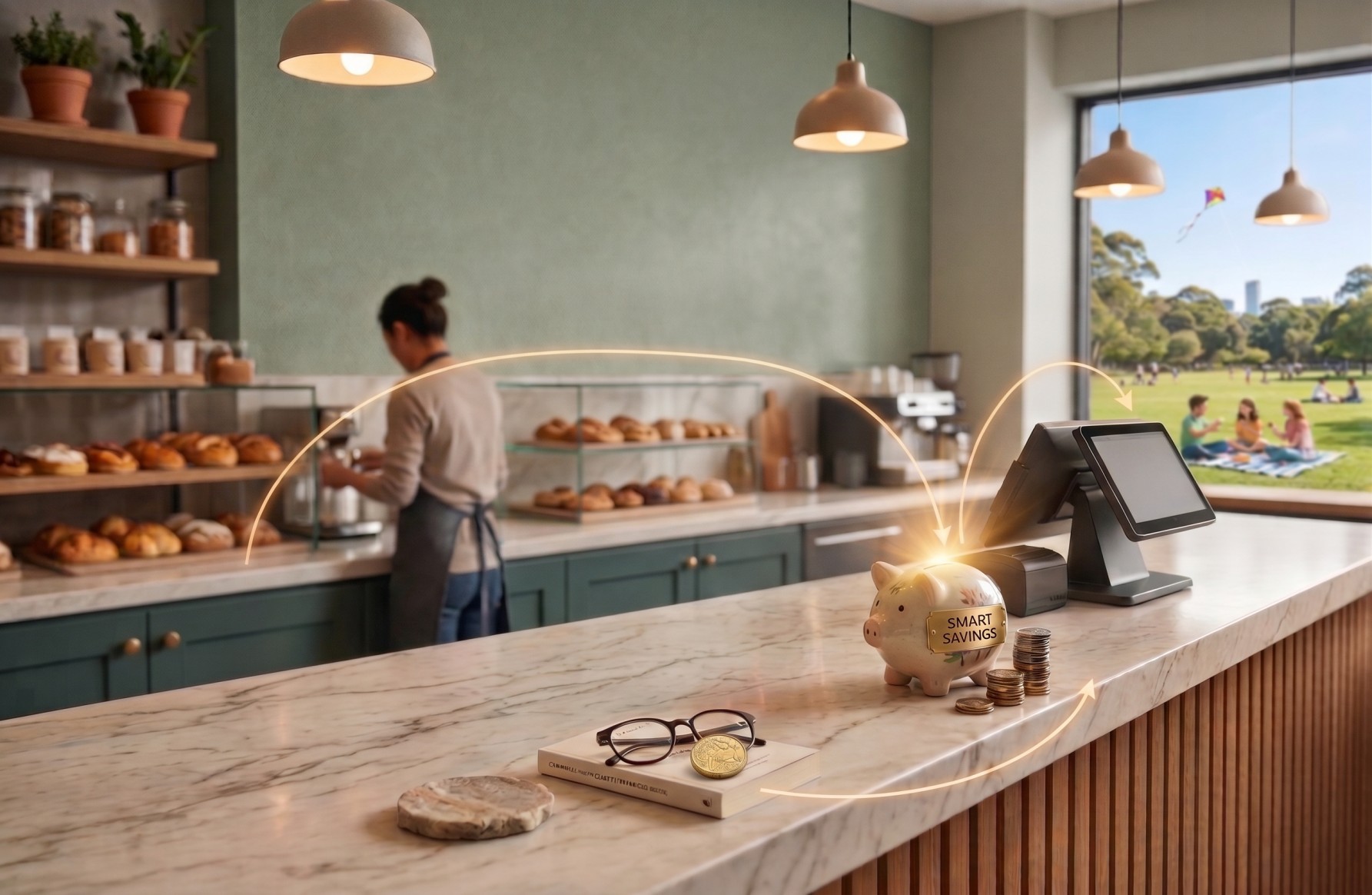
Pyng is built on a simple idea: if your spending is generating value, some of that value should come back to you. Instead of your everyday purchases quietly earning money for everyone except you, Pyng rewards you directly for the spending you were already going to do.
Every time you make an eligible purchase with Pyng, you earn Pops, Pyng's reward currency. Pops aren't points that expire in a vague "rewards program" you forget about. They convert into real money, straight up:
100 Pops = $1 AUD.
No changing your spending habits. No jumping through hoops. No "sign up for 8 things to maybe get a discount." You spend the way you already do, and for the first time, that tap works for you too.
Why this actually matters
This isn't about becoming a different kind of spender. You're still going to buy coffee, groceries, and fuel - that part of life doesn't change. What changes is what happens after the tap. In the traditional system, that transaction ends with a fee flowing away from you. With Pyng, it ends with Pops flowing toward you.
Over weeks and months, those small, everyday taps, the ones you were making anyway, start adding up into something you can actually see and use. It's not a discount you have to remember to apply. It's not cashback locked behind a minimum spend. It's your spending, working quietly in the background, earning while you live your normal life.
The bottom line
Every tap of your card pays someone. For years, that someone has been the banks and networks running quietly behind the scenes. Pyng doesn't ask you to spend differently - it just makes sure that when you scan and pay, you're the one who gets paid.
Tapping pays the bank. Pyng pays you.