Pyng vs Apple Pay vs Google Pay: What's Actually Different

"Isn't this just Apple Pay?" is a common question Pyng gets. It's a fair one - both let you leave your wallet at home and pay with your phone. But underneath, they solve a different problem. Here's the actual difference.
What Apple Pay and Google Pay are
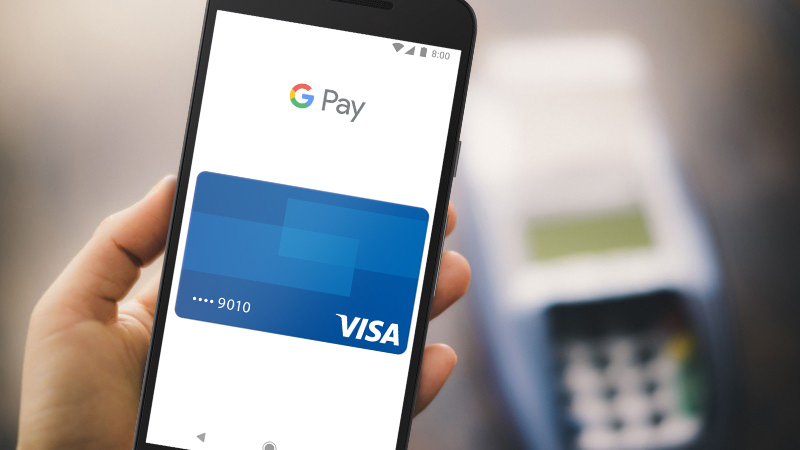
Apple Pay and Google Pay are digital wallets. They store a digital version of your existing debit or credit card and let you use your phone to tap instead of the physical card. The payment still travels the same route a card payment always has - through Visa, Mastercard, or eftpos. Apple and Google are just providing a more convenient way to trigger that same card transaction.
That matters because it means the underlying costs don't change. The interchange fee a merchant pays is the same whether you tap a physical card or tap your phone with Apple Pay loaded. If a business surcharges card payments, an Apple Pay or Google Pay transaction usually gets surcharged too.
What Pyng is
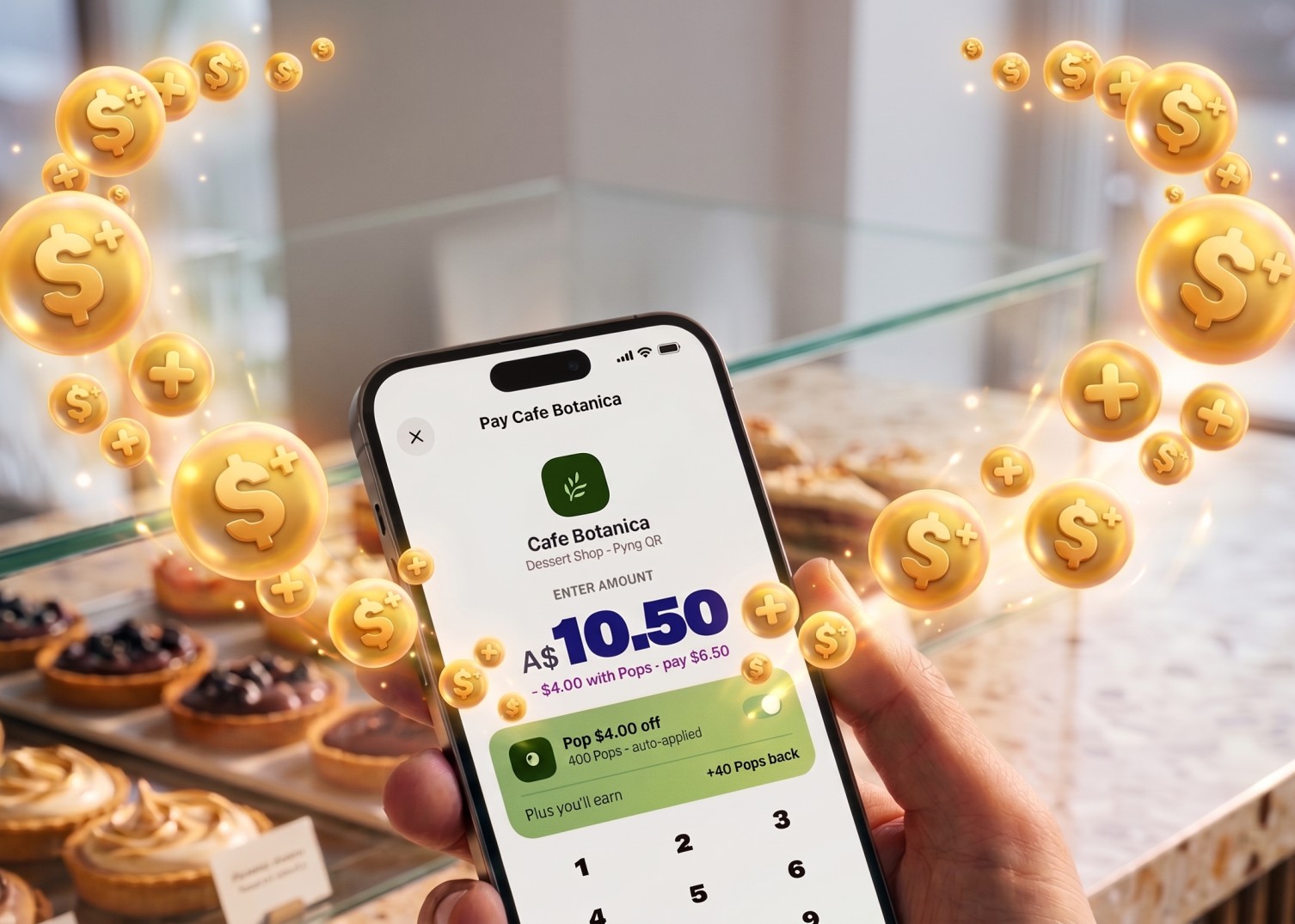
Pyng isn't a wallet for an existing card - it's a different payment rail entirely. When you pay with Pyng, the money moves directly from your bank account to the merchant's, using Australia's own payments infrastructure (the NPP), with no card network involved at any point.
That's the structural difference: Apple Pay and Google Pay make card payments more convenient. Pyng replaces the card network altogether.
Why that difference actually matters to you
No surcharge, ever. Because there's no card network fee for a merchant to pass on, Pyng payments don't carry a surcharge, regardless of what a business does with its card payments.
Cashback built in. Every Pyng payment automatically earns Pyng Pops, converting to cash at a flat 100 Pops = $1. Apple Pay and Google Pay don't reward you directly - any rewards you get come from your underlying card, same as if you'd tapped it.
Nothing to link from a card. Pyng connects straight to your bank account, so there's no card number involved in the transaction at all, nothing to expire, nothing to replace if a card gets reissued.
Where Apple Pay and Google Pay still make sense
They're genuinely useful, and not going anywhere - they work everywhere a card already does, including plenty of places Pyng hasn't reached yet, and they're a convenient way to manage multiple cards from one device. For big-box retailers and places without QR-based payment options, a digital wallet is still the easiest way to pay without pulling out plastic.
Using them together
These aren't really competitors so much as different tools for different situations. A lot of Pyng users keep Apple Pay or Google Pay for places that don't yet accept Pyng, and switch to Pyng wherever it's available and pick up cashback on spending they were going to do anyway.
The bottom line
Apple Pay and Google Pay make an old system more convenient. Pyng is a newer system built to avoid the costs that made surcharges necessary in the first place. Different tools, and increasingly, most people will end up using both.
Curious what it feels like in practice? Download the Pyng app and link your bank in about a minute.