The surcharge is disappearing. The cost isn’t.
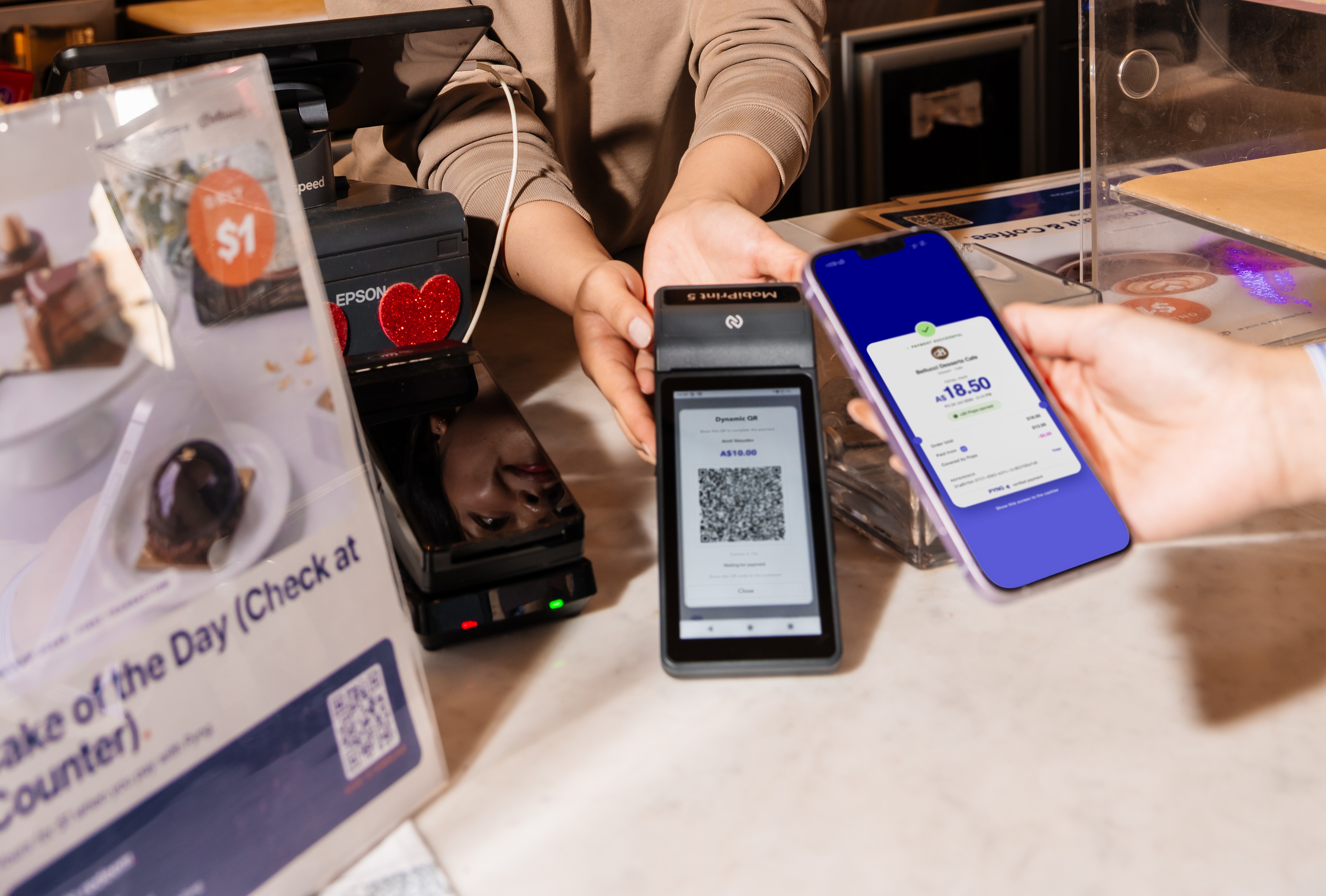

The surcharge is disappearing. The cost isn’t.
For years, businesses have relied on card surcharges as a way to offset the cost of accepting payments. A small fee at checkout helped merchants manage transaction costs while continuing to offer customers the convenience of tap-and-go payments.
But from October 2026, that option is changing.
With card surcharges being banned across Australia, businesses will no longer be able to pass these costs directly onto customers. The question many merchants are now asking is:
If customers are no longer paying the surcharge, who will?
For small businesses already managing rising costs across rent, wages, and supplies, payment fees are another expense that can quietly impact profitability.
The surcharge ban is more than a regulatory change, it is a turning point for how Australian businesses think about payments.
The Hidden Cost Behind Every Tap
For customers, paying by card feels simple.
Tap. Approve. Done.
But behind every transaction is a complex payment system involving multiple providers, including banks, card networks, and payment processors. Each part of this system contributes to the overall cost of accepting a payment.
For merchants, this means every card transaction can come with fees.
A small percentage may not seem significant on a single purchase, but across hundreds or thousands of transactions each month, these costs quickly add up.
For example:
A local cafe processing $50,000 in card payments every month could be paying thousands of dollars in payment fees annually - costs that previously could be partially recovered through surcharging.
Once surcharges disappear, businesses will need to find new ways to protect their margins.
Why Traditional Payment Methods Are Becoming a Challenge
Traditional card payments have powered Australian commerce for decades. They are reliable, familiar, and convenient for customers.
However, the infrastructure behind them was not designed with today's cost pressures in mind.
A typical card payment involves multiple steps:
Customer → Card Network → Bank → Payment Provider → Merchant
While this system provides security and convenience, it also creates multiple layers where fees can accumulate.
For large businesses, these costs may be manageable. But for small and medium businesses operating on tighter margins, payment fees can have a meaningful impact.
As businesses prepare for a surcharge-free future, many are beginning to explore whether there are smarter alternatives.
Why Merchants Are Looking for New Payment Solutions
The surcharge ban is encouraging businesses to rethink their payment strategy.
Instead of accepting payment fees as an unavoidable cost of doing business, merchants are asking:
Is there a better way to accept payments?
New payment solutions are emerging with a focus on reducing unnecessary costs and creating better experiences for both businesses and customers.
The future of payments MUST be moving towards:
• Lower-cost payment infrastructure
• Faster settlement
• Simpler payment experiences
• Built-in customer rewards and loyalty
Payments are no longer just about completing a transaction. They are becoming a tool for businesses to build stronger relationships with their customers.
A Better Future for Local Businesses
For many local businesses, every dollar matters.
A cafe owner, restaurant operator, or retailer shouldn't have to choose between offering convenient digital payments and protecting their margins.
The next generation of payment solutions must aim to make accepting payments simpler, more affordable, and more valuable for businesses.
This is where PYNG comes in.
PYNG was built to give Australian businesses a smarter way to accept payments - helping merchants reduce payment costs while creating better customer experiences.
With PYNG, businesses can:
✅ Accept payments with zero transaction fees
✅ Keep more from every sale
✅ Receive instant settlements (not overnight)
✅ Reward customers through built-in loyalty
✅ Get started with a simple QR code setup (no complex machinery or weird wires)
The Future of Payments Is Changing
The surcharge ban marks a major shift in Australia's payment landscape.
While customers will continue expecting fast and convenient ways to pay, businesses now have an opportunity to rethink the systems behind those payments.
The surcharge may be disappearing.
But the cost of payments doesn't have to stay the same.
The businesses that explore smarter payment solutions today will be better prepared for tomorrow.
Discover how PYNG helps businesses accept payments differently.