The First Black Friday Without Card Surcharges: Where Pyng Comes In

Black Friday lands on Friday 27 November this year, with Cyber Monday on 30 November. It's also the first big sale since card surcharges were banned on 1 October.
Under the Reserve Bank of Australia's (RBA) reforms, businesses can no longer add a fee when you pay with eftpos, Mastercard or Visa, and American Express, UnionPay and PayPal have dropped theirs too. The RBA estimates Australians were paying $1.6 billion a year in card surcharges.
That's good news for shoppers. But the cost of accepting a card hasn't vanished. It has moved to businesses. That's where a payment method with no card network in the middle starts to matter.
How Pyng works
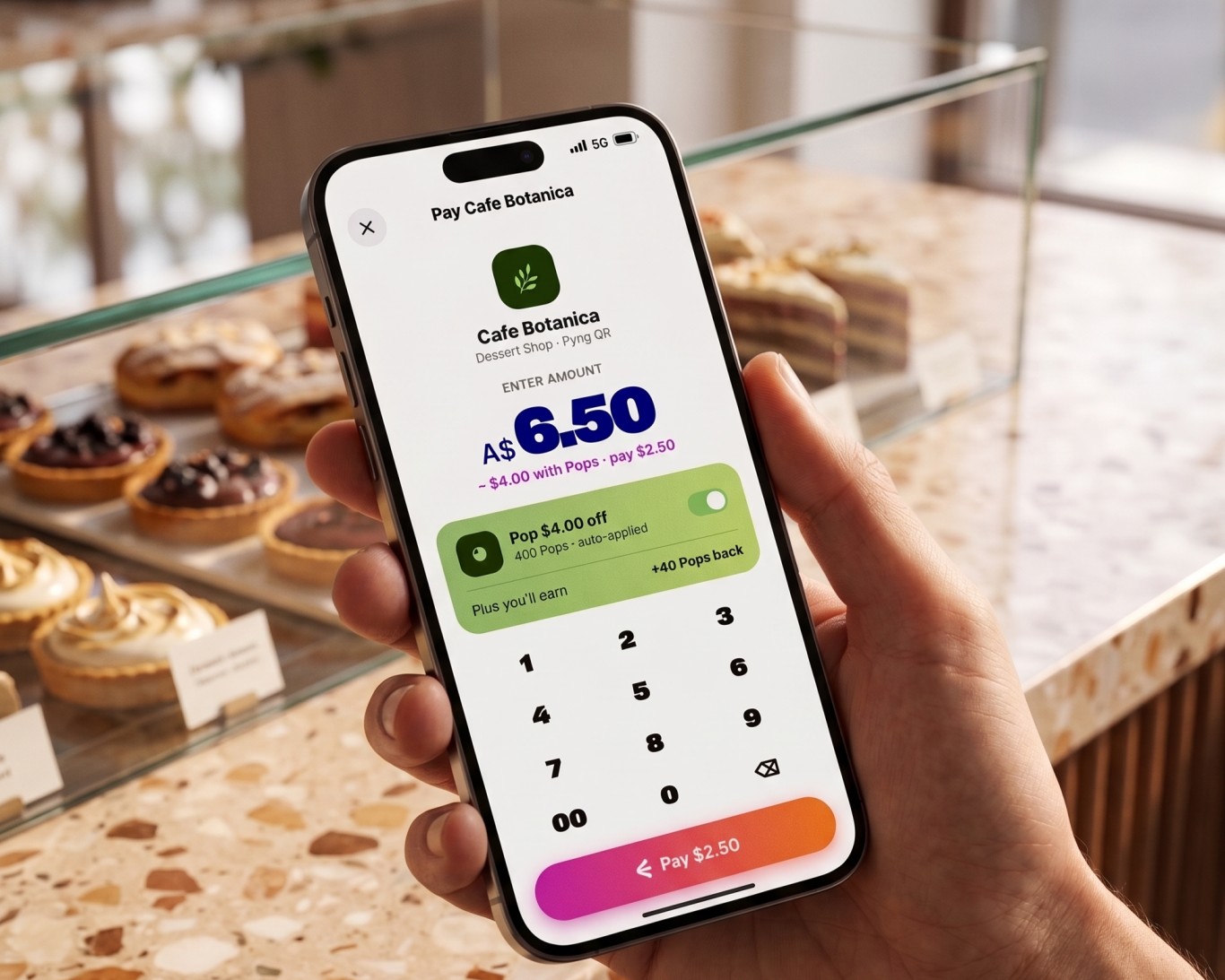
Pyng payments go directly from your bank account to the business's via Australia's NPP. No card network sits in between, so there's nothing to pass on and nothing to surcharge.
If you're shopping
- Never a surcharge. Pyng payments don't carry one, whatever a business does with cards.
- Cashback built in. Every payment earns Pyng Pops automatically, at 100 Pops to the dollar. There's no card to scan first and nothing to sign up for at the counter.
- Your bank, your control. You authorise payments through your own banking app, and you set the limit on what Pyng can ever move from your account.
Good to know: the ban covers fees added because you paid by card. The RBA says it doesn't cover weekend or public holiday surcharges, or booking and service fees, so always check the total before you pay. And if a card surcharge does appear, raise it with the business, tell the card network named on your eftpos receipt, or contact your state consumer protection agency or the ACCC.
If you run a business
Black Friday is one of the biggest trading days of the year, which makes card costs more noticeable than ever. Accepting Pyng can help in three ways:
- Zero transaction fees. Pyng has no card network fee, so a bigger sale doesn't mean a bigger fee.
- A reason for customers to come back. Every customer who pays with Pyng earns cashback automatically, so you get a built-in repeat-visit incentive without running a loyalty program.
- Quick to start. You get a QR code for your counter, with no terminal to buy or lease.
The RBA also notes that businesses can still offer discounts for particular payment methods instead of surcharging. If you plan to promote one, check the ACCC's guidance on how to display it clearly.
Remember to clean up your signs and checkout too: remove any card surcharge wording from tills, websites, menus and invoices.
A smarter way to spend the sales
The surcharge may be gone, but the cost of card payments still exists for businesses. Pyng takes it out of the equation, with no surcharges for you and no card fees for them.
Shopping the sales? Download the Pyng app and link your bank in about a minute. Look for Pyng at participating businesses.
Running a business? Apply to accept Pyng and get set up in minutes.