How Australia Pays: Nearly 20 Years of Payments in Numbers

In 2007, seven in every ten payments Australians made were in cash. By 2025 it was closer to one in seven.
Here's how the way we pay has changed, based on the Reserve Bank of Australia's Consumer Payments Survey. The RBA runs the survey every three years. In 2025, around 1,200 people recorded every payment they made for a week, and the RBA reports the share of payments by number.
Cash fell from 69% of payments in 2007 to 13% in 2022. In 2025 it edged up to around 15%, which the RBA describes as cash use having stabilised. Card share peaked at 76% in 2022 and was around 73% in 2025.
Debit is the big winner
Debit cards made up 15% of payments in 2007. In 2025 they were 49%, around half of all payments and more than three times their 2007 share. Credit and charge cards sit at around a quarter. The RBA says the debit boom partly reflects consumers preferring to use their own funds rather than borrowed money, along with a decline in the appeal of credit card rewards.
Even tiny purchases moved to cards
In 2007, cash was used for almost all in-person payments under $10. In 2025, cards were used for around 70% of payments under $10, while around one in four were still made in cash.
Phones became the wallet
In 2025, 43% of consumers used a mobile device to make a contactless payment during the survey week, up from 35% in 2022. Device-based payments (such as mobile wallets) accounted for around 40% of in-person card payments, up from 31% in 2022.
The quiet rise of bank-to-bank
PayID is the standout among newer methods. Around 80% of respondents were aware of it in 2025, and around 50% had used it in the past year, up from 32% in 2022. Of those users, around 45% used it to pay for goods and services, and around 20% cited lower fees as a reason.
The RBA says card use fell at some types of businesses between 2022 and 2025, and that this may partly reflect greater use of account-to-account payments such as PayID, as well as increased surcharging on card payments.
It's worth keeping this in perspective. The RBA says alternative methods still account for a small share of total payments. QR code payments were used by around 10% of respondents in the past year, and PayTo by fewer than 5%. Convenience is what wins, and that's the bar any new method has to clear.
What's changed since
Since 1 October 2026, businesses can no longer surcharge eftpos, Mastercard, Visa or American Express card payments. In the 2025 survey, about 20% of respondents told the RBA they use cash partly to avoid surcharges on other payment methods, and the RBA expected the change could have a modest effect on the share of in-person payments made in cash over time.
It's too early to see that in the data. The survey runs every three years, so the numbers above are the latest available and pre-date the change.
The takeaway
In under 20 years, Australia went from cash-first to card-first, while mobile wallets and account-to-account payments such as PayID continue to grow. The next shift is likely to favour whichever methods feel as easy as a tap and cost businesses less.
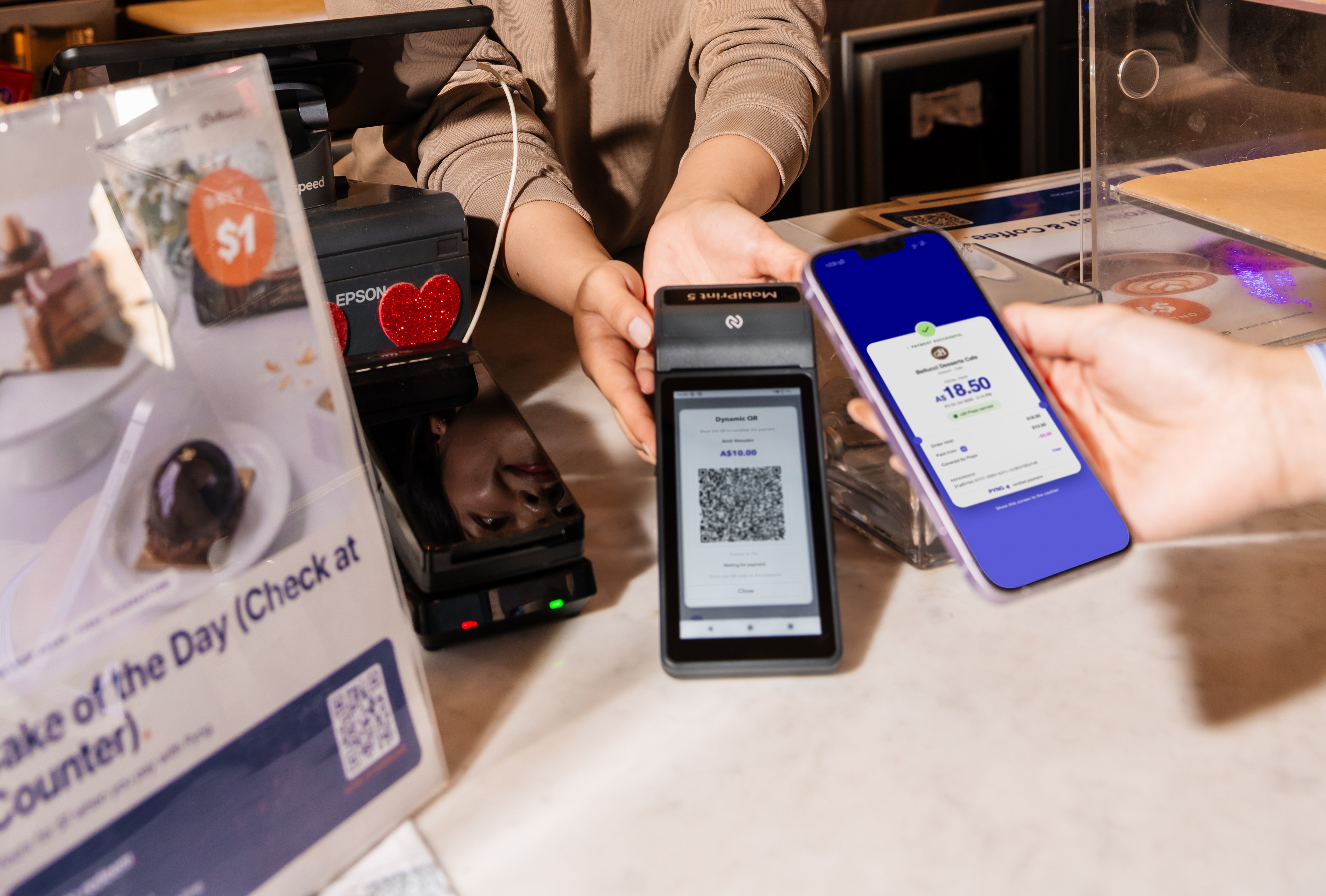
That's the gap Pyng is built for: payments that go directly from a customer's bank account to a business via the NPP, with zero transaction fees and cashback built in.
Curious how it works? Download the Pyng app or apply as a merchant.